A Guide to Enhancing B2B Customer Lifetime Value Through Flagship Experiences
Redefining the Flagship: A New Frontier for B2B Growth
In the current retail landscape, flagship stores have traditionally been viewed as brand temples designed for B2C storytelling. However, for organizations operating in the B2B or "pro" sectors—such as high-end furniture, professional beauty, or luxury building materials—the flagship store is increasingly becoming a critical engine for driving Customer Lifetime Value (CLV). Moving beyond the transactional model requires a deliberate shift in store design, staff training, and data integration.
The core challenge lies in the B2B purchase cycle, which is often longer and more complex than retail consumer habits. A professional buyer is not looking for a quick checkout; they are seeking a partnership that reduces friction in their own business operations. By re-engineering the physical space to facilitate relationship-based sales, retailers can secure loyalty that translates into recurring revenue over years rather than one-off transactions.
Nota: Gráfico conceptual ilustrativo para representar la tendencia estratégica.
Mapping the B2B Journey Within the Physical Space
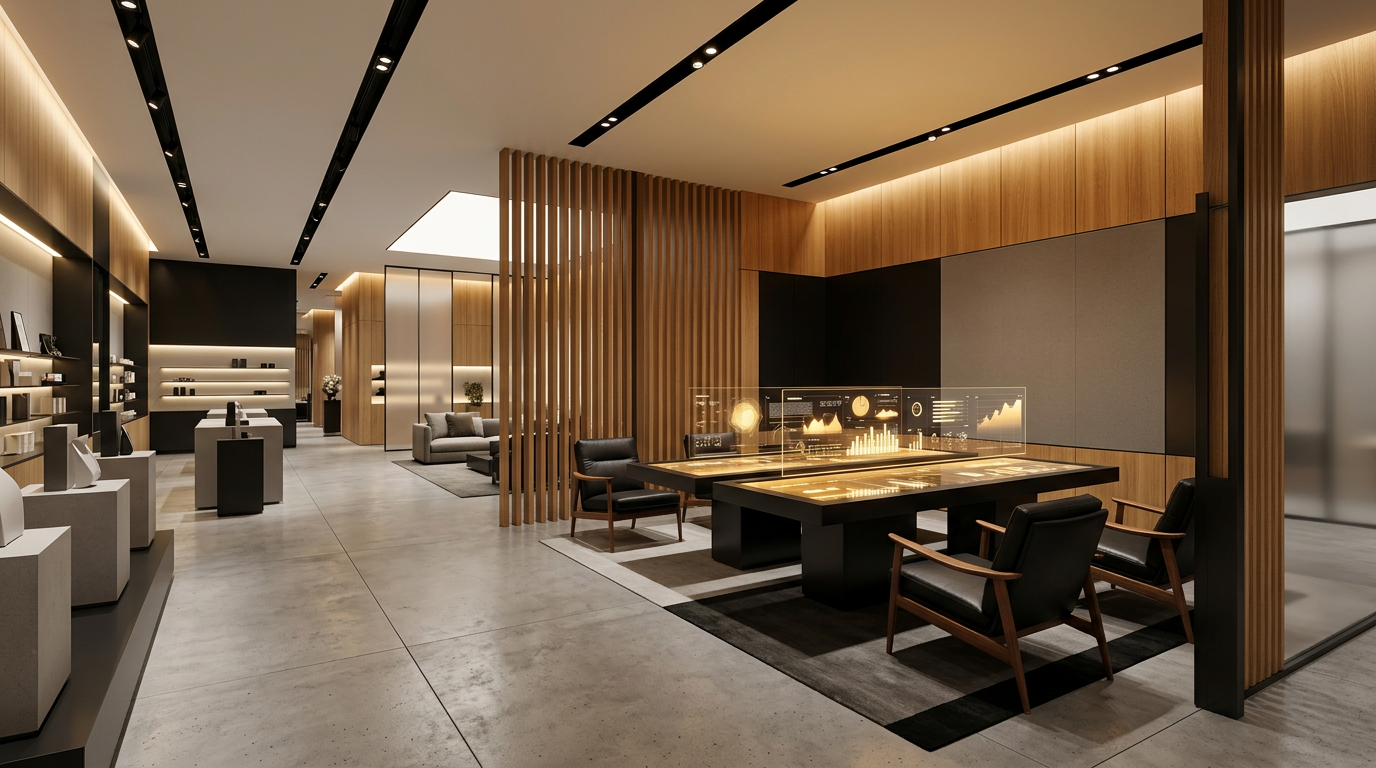
To optimize for CLV, retailers must first map the specific journey of the professional client. Unlike a casual shopper, a B2B client often needs private consultation areas, technical demonstration zones, and extended service hours. The physical layout must reflect this hierarchy of needs. For example, high-value account managers should be positioned in "semi-private" zones that allow for deep-dive discussions without the noise of the main sales floor.
Implementing digital identifiers, such as unique QR codes or proximity sensors linked to a professional loyalty app, allows the store to recognize a B2B client the moment they enter. This data synchronization ensures that the store associate has immediate access to the client’s previous order history, credit limits, and project preferences. This level of personalization is not just a luxury; it is a fundamental requirement for increasing the frequency of visits and the average order value.
From Sales Associate to Account Manager
Perhaps the most significant shift required is in human capital. Transitional sales training focuses on "closing the deal." In contrast, B2B flagship management requires training in long-term account management. Staff must be evaluated on KPIs such as retention rates and portfolio growth rather than daily basket size. When a staff member understands they are managing a relationship worth hundreds of thousands of dollars over five years, their approach to the customer changes from pressure-based to advisory-based.
Nota: Gráfico conceptual ilustrativo para representar la tendencia estratégica.
Integration of Technical Showrooms and Digital Continuity
A flagship store for professionals should function as a laboratory. This means moving away from finished product displays and toward technical exploration. Allowing clients to test durability, integrate digital blueprints, or see the "guts" of a product builds a level of trust that digital channels cannot replicate. Use of augmented reality (AR) within the store can bridge the gap between physical samples and the client's final project site, solidifying the retailer's role as an indispensable consultant in the client's workflow.
Conclusion: The Long-Term Return on Experience
Optimizing the B2B experience in flagship stores is an investment in stability. By focusing on relationship-centric design, technological recognition, and specialized staff training, retailers can transform a physical location from a cost center into a powerful engine for Customer Lifetime Value. The takeaway for leadership is clear: stop measuring your flagship by foot traffic, and start measuring it by the depth and longevity of the professional relationships it cultivates.