Death by Inventory: The 2026 Forensic Audit of a Failed Neighborhood Grocery Store
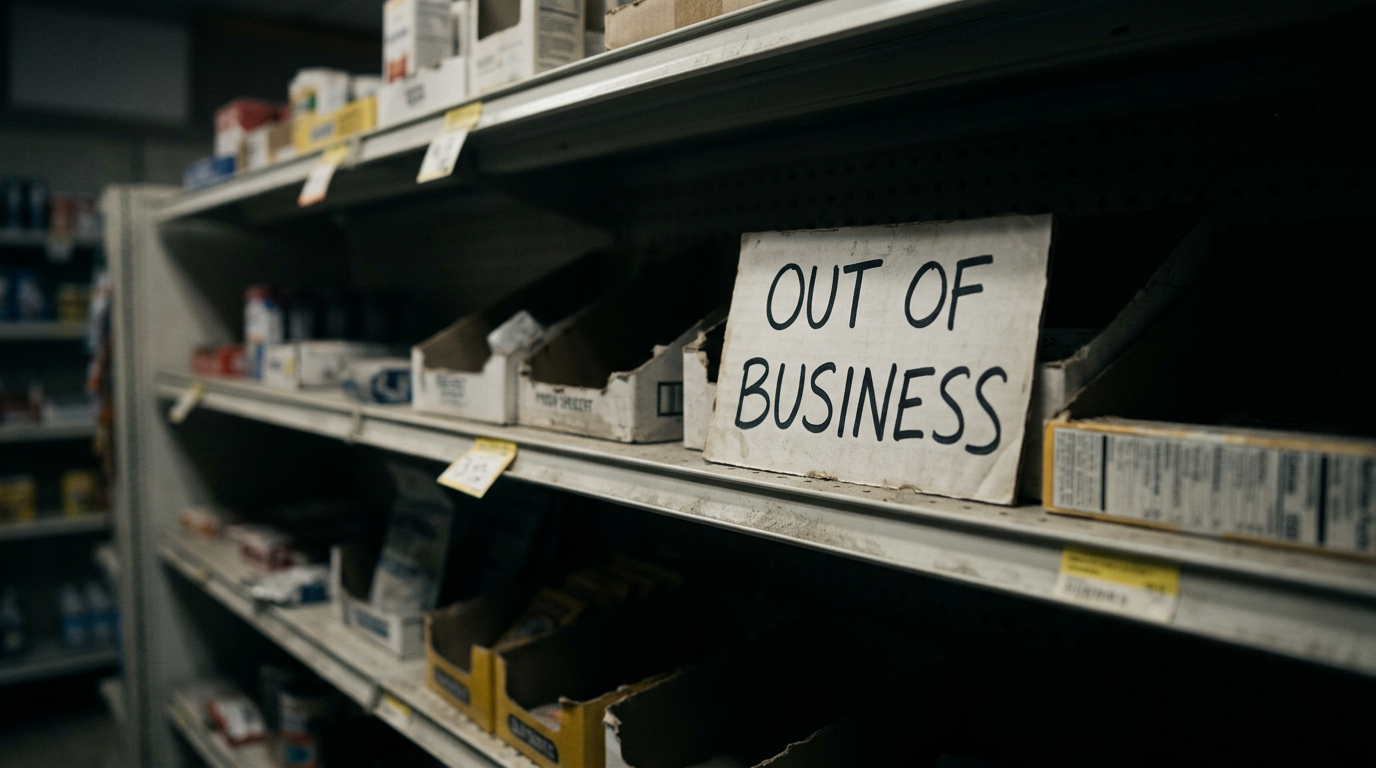
The Autopsy of a Neighborhood Grocery Store
The shelves were full, the lights were on, but the cash register was silent. This is the story of "Greens & Grains," a family-owned grocery store that closed its doors in late 2026. On paper, they had €45,000 worth of products. In reality, they had €45,000 in frozen debt sitting on shelves gathering dust.
Most small business owners think more stock means more sales. They believe that an empty shelf is a sin. This is a fatal misconception. In the grocery business, excess inventory is a parasite that eats your cash flow until your bank account hits zero.
The €15,000 Trap: Dead Stock and Slow Movers
When we performed the forensic audit on Greens & Grains, we found that 35% of their inventory hadn't moved in over four months. We’re talking about expensive artisanal jams, niche cleaning products, and bulk bags of rice that nobody wanted. Every euro spent on that "dead stock" was a euro that couldn't be used to pay the electricity bill or the rent.
If you have €5,000 sitting in slow-moving products, you aren't just losing the money; you are losing the space to sell what actually makes you profit. This is the "Inventory Weight" that eventually sinks the ship.
This article is exclusive to Club Pro members.
Join now and keep reading without limits.