AI in the Physical Store: A Practical Audit of What Actually Boosts the Bottom Line vs. Mere Gimmicks
The Hidden Cost of "Cool" in Physical Retail
Walking through a trade show, you will see digital mirrors, robots that greet customers, and floor-to-ceiling screens. They look impressive. They also cost a fortune. For a business owner with one or two locations, these are not investments; they are expensive hobbies. If a tool doesn't lower your payroll, reduce your shrinkage, or directly increase the amount of money in the register by the end of the day, it is a gimmick.
Artificial Intelligence (AI) has a massive marketing problem in retail. It is often sold as a magic wand, but its real power lies in the boring stuff. We are talking about things like inventory accuracy and loss prevention. Let's look at the actual numbers behind what works and what just gathers dust.
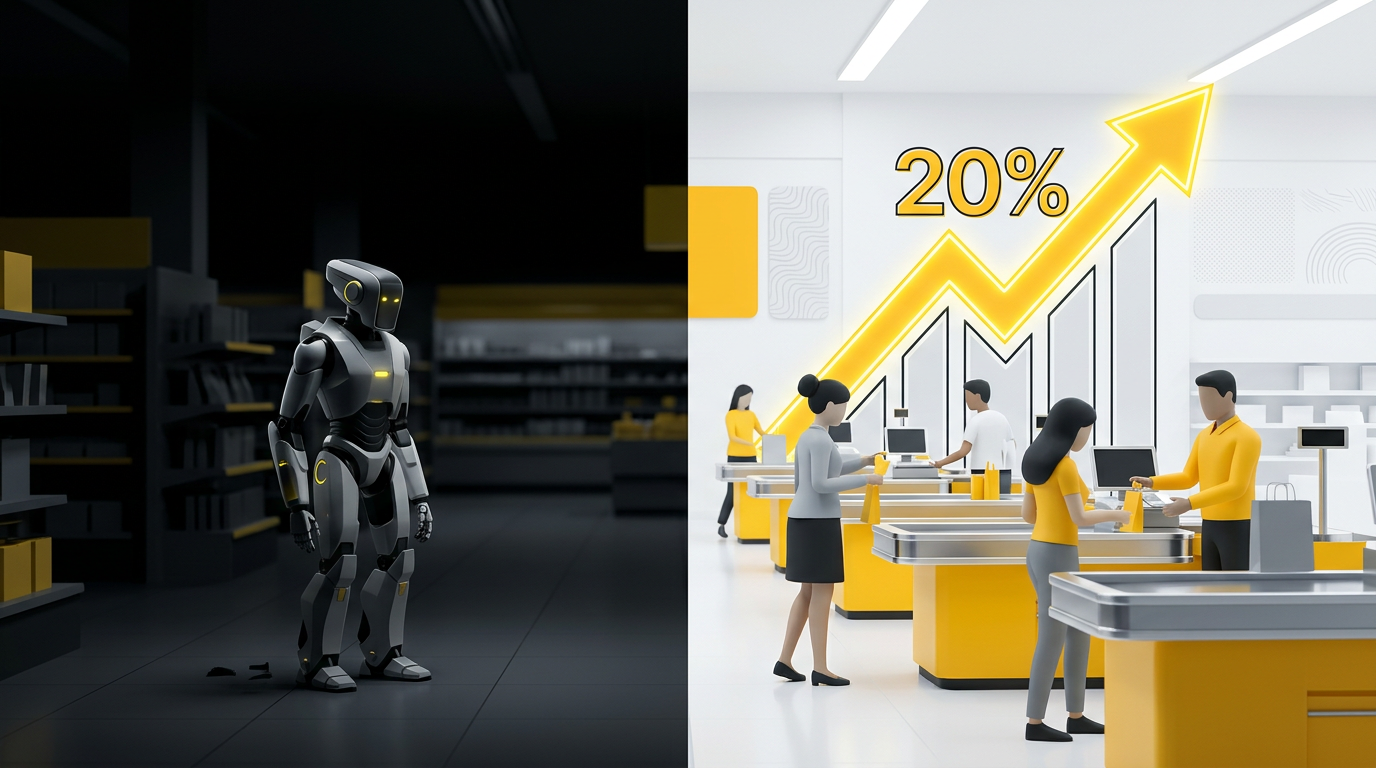
Nota: Gráfico conceptual ilustrativo para representar la tendencia estratégica.
Computer Vision vs. RFID: Fighting the "Invisible" Loss
Shrinkage (theft and errors) eats between 1.5% and 3% of total revenue for most small retailers. If you sell $500,000 a year, you are losing up to $15,000 to "nothing." Many consultants will push for smart shelves or complex RFID tags for every single item. Here is the reality check: RFID is great for a $500 leather jacket, but it is a profit-killer for a $15 bottle of shampoo.
This article is exclusive to Club Pro members.
Join now and keep reading without limits.