Beyond the Balance Sheet: Why Gourmet Acquisitions Require Specialized Due Diligence
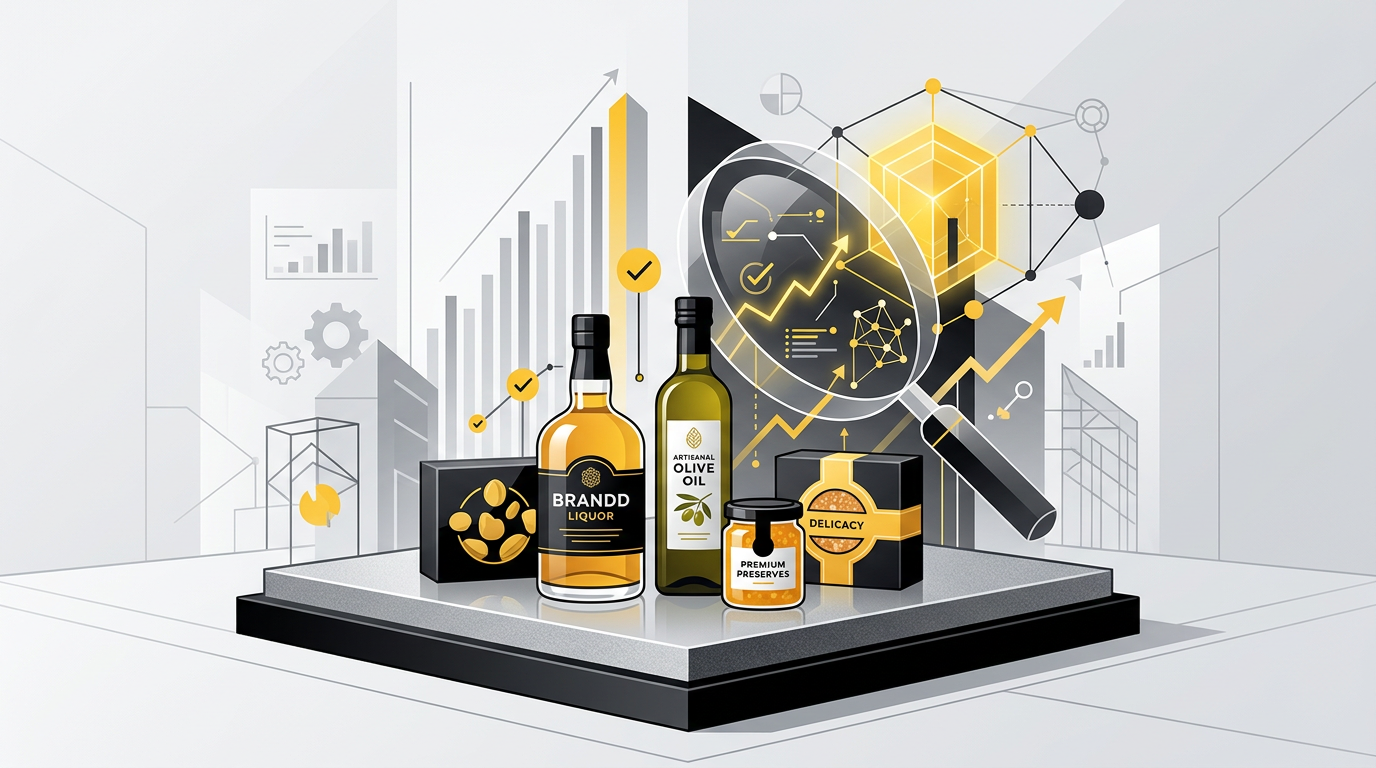
The Gourmet Trap: Why Your Regular Auditor is Failing You
Most retail acquisitions fail during the first 18 months because the buyer treated a craft brand like a generic commodity. When you buy a gourmet independent brand, you aren't just buying inventory and a P&L statement. You are buying a delicate ecosystem of provenance, local relationships, and a specific sensory profile that big-box logic usually destroys within two quarters.
Traditional due diligence focuses on EBITDA and asset valuation. That works for a hardware store chain. It fails for an artisanal olive oil producer or a high-end chocolatier. If your audit doesn't account for the "Founder's Shadow" or the fragility of niche supply chains, you are simply overpaying for a future disaster.
Nota: Gráfico conceptual ilustrativo para representar la tendencia estratégica.
The Synergy Myth in Artisanal Logistics
The first mistake corporate buyers make is assuming they can "optimize" logistics. They see a small producer shipping 500 orders a week and think: "We can fold this into our national distribution center and save 15% on freight." This is where the value leaks start. Standardized logistics often break the fragile packaging or the temperature-controlled requirements that gourmet products demand.
When you force an artisanal brand into a high-volume warehouse, you lose the white-glove service that justifies the premium price point. Customers notice when their $40 jar of honey arrives in a standard shipping envelope via a bulk carrier. The margin you "saved" on logistics is quickly erased by the loss in brand equity and the inevitable rise in returns and damages.
Auditing the "Invisible" Supply Chain
Corporate due diligence rarely looks at the relationship between the brand and its primary suppliers. In the gourmet world, these aren't just vendors; they are partners. If the secret to a specific balsamic vinegar is a 40-year relationship with a single family farm, that relationship is a high-risk asset. Does that farm have a succession plan? Will they sell to a conglomerate, or do they only deal with the original founder?
- Ingredient Single-Sourcing: Identify how many SKUs depend on a single person rather than a company.
- Recipe Portability: Can the product be manufactured by a third party without losing its "soul"?
- Quality Drift: Measure the variance in product batches over the last three years. Increased consistency often signals a move away from artisanal roots.
The Founder's Shadow and Brand Culture
Small brands live and die by the founder's taste. Auditing brand culture means checking if the "story" is actually documented or just lives in someone's head. If the brand's social media presence relies on the founder's personal charisma, you aren't buying a brand; you are hiring a spokesperson for a limited time. You must calculate the cost of replacing that persona with professional marketing.
Nota: Gráfico conceptual ilustrativo para representar la tendencia estratégica.
Back-of-the-Envelope Math: The Value Realignment
Stop looking at multiples of 5x or 8x EBITDA blindly. Use a "Survival Multiple." Calculate what the EBITDA would look like if you had to pay market-rate salaries for every role the founder currently does for free. If the founder works 80 hours a week for a $60,000 salary, your true EBITDA is significantly lower than the books suggest. You are buying a job, not a business.
Consider a brand doing $2M in revenue with $400k in reported profit. If the owner's replacement cost is $150k and you need two new staff members to handle the logistics you "optimized" away, your actual profit is closer to $150k. Now, is that 10x multiple still a good deal? Probably not.
Your Immediate Action Plan
Before signing the letter of intent, stop the financial modeling for a moment. Go to the production facility. Talk to the person on the packing line. If they can’t explain the brand’s "why" without looking at a manual, the culture is already dead and you are buying a shell. Real due diligence in gourmet retail is 30% financial and 70% anthropological. If you don't understand the craft, you will never master the commerce.