Beyond the Storefront: Strategic Comparison of High Street and Shopping Centers
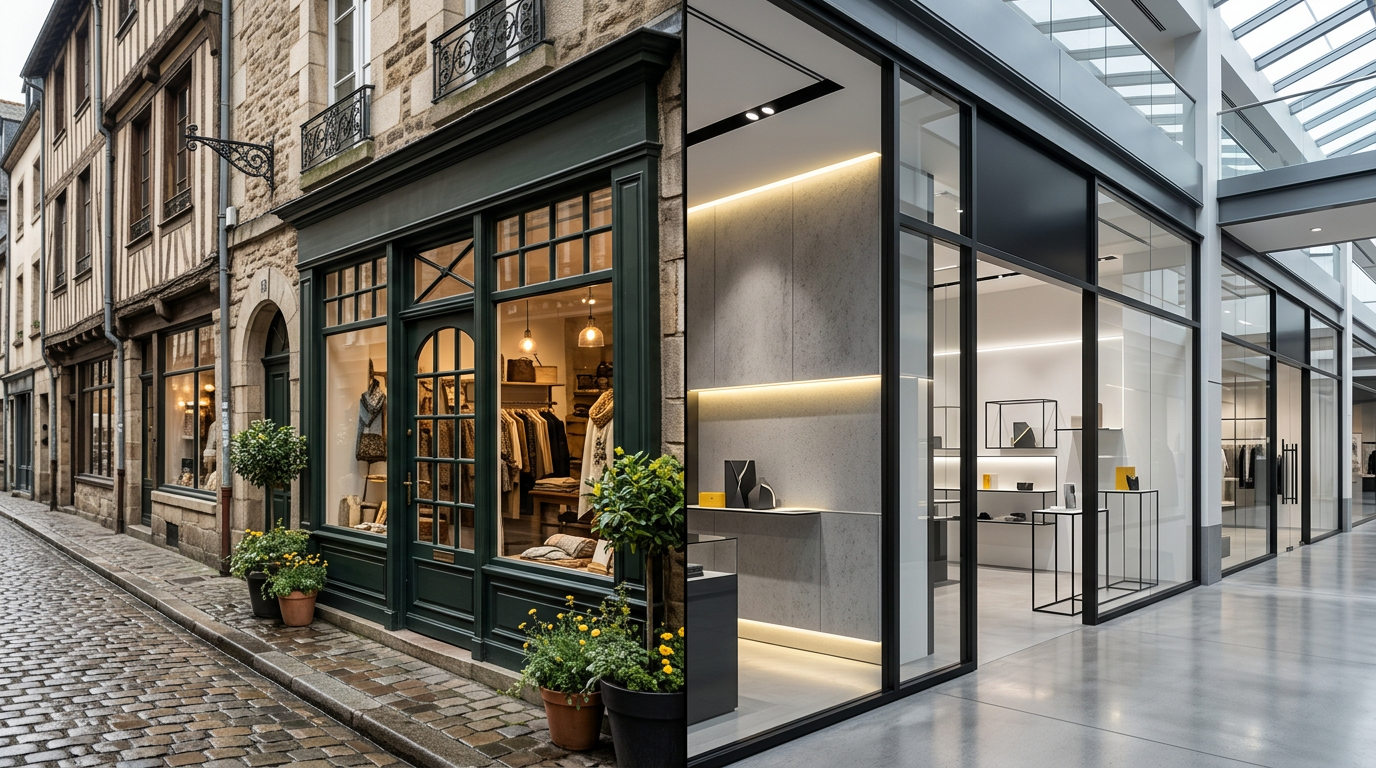
The Profit Myth: High Street vs. Shopping Centers
Choosing your next location is the most expensive decision you will make this year. If you get it wrong, the lease becomes a noose around your neck. Most independent retailers look at footfall numbers and think "more people equals more sales." That is a dangerous simplification. A person walking past your window to catch a bus is not the same as a person who drove thirty minutes to spend money.
You need to look at the math behind the door. We are going to break down why a "cheaper" high street shop might actually be costing you more in customer acquisition, and why a "premium" shopping center spot could be eating your entire margin in hidden fees.
1. Traffic Quality: Planned vs. Impulse
In a high street location, you are fighting for attention. People are commuting, running errands, or walking the dog. Their intent is rarely "I am going to buy a luxury candle today." Your window display has to do 90% of the heavy lifting. In a shopping center, the intent is pre-qualified. People go there specifically to consume. They have their wallets ready.
Nota: Gráfico conceptual ilustrativo para representar la tendencia estratégica.
While the mall offers higher conversion, you pay for that convenience. On the high street, you own your "community effect." You build regulars who come in because they know your name. In a mall, you are just a unit number in a massive machine.
2. The Hidden OPEX Trap
On the high street, your rent is usually fixed. You pay your utilities, your insurance, and maybe a small local business tax. In a shopping center, the rent is just the beginning. You will be hit with service charges for cleaning, security, and common area maintenance (CAM). These fees often fluctuate and can increase your monthly outflow by 20% to 40% without warning.
Napkin Math: The 50sqm Comparison
- High Street: €1,800 Rent + €200 Utilities = €2,000 Total.
- Shopping Center: €1,500 Rent + €600 Service Charges + €300 Marketing Levy = €2,400 Total.
Even if the "base rent" looks lower in the mall, the operational costs usually tip the scale. You need to sell 20% more just to reach the same starting point.
3. Autonomy vs. The Anchor Effect
In a shopping center, you benefit from "Anchor Tenants" like Zara or Primark. They spend millions on marketing to bring people to the building. You catch their overflow. However, you trade your freedom for that traffic. You cannot choose your opening hours. If the mall says you open until 10 PM on a Tuesday, you open until 10 PM, even if you haven't seen a customer since 7 PM. That kills your labor productivity.
On the high street, you are the boss. You close when it makes sense. You change your signage when you want. You aren't forced to participate in generic "Black Friday" sales if they don't fit your brand. This flexibility is what keeps small retailers alive during lean months.
Nota: Gráfico conceptual ilustrativo para representar la tendencia estratégica.
4. The Verdict
If your product relies on high volume and fast turnover (like a juice bar or a trendy accessory shop), the shopping center’s "qualified traffic" is worth the extra fees. But if you are building a destination brand—a specialty bakery, a high-end barber, or a pharmacy with loyal patients—the high street offers the margin protection and community loyalty you need to survive long-term.
Stop guessing where your customers are. At Retail Lemon, we use our 360º Method to analyze your specific product and financial health to find the exact square meter where you will actually make money. Don't sign that lease until you talk to us.