Case Study: Green Logistics Transformation for a Premium Beauty Giant
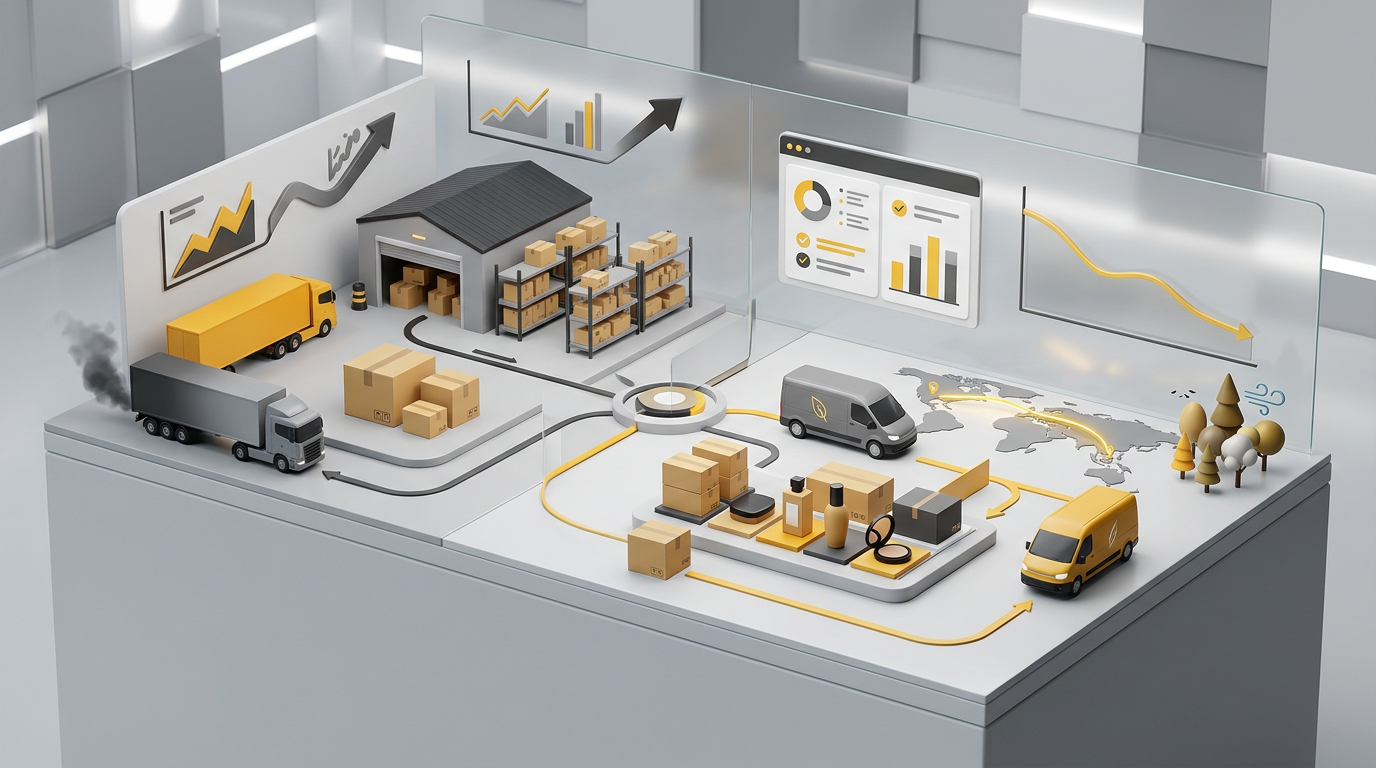
The Price of Green: Real Numbers Behind Sustainable Logistics
Most retail executives view "green logistics" as a marketing expense. They are wrong. In the premium beauty sector, where brand equity is everything, a carbon-heavy delivery footprint is becoming a financial liability. We recently audited a high-end skincare brand that saw its shipping emissions climbing 12% annually while customer satisfaction dipped due to delivery congestion in urban centers.
The problem wasn't the product; it was the last mile. This brand was relying on traditional diesel fleets to move small, high-value glass jars across dense European cities. The result? Frequent idling, high fuel consumption per unit, and a brand image that clashed with its "natural ingredients" promise. We stepped in to overhaul their urban distribution without destroying their margins.
Phase 1: The Inventory Decentralization Hack
The first mistake most brands make is shipping everything from a single massive regional warehouse. This guarantees long transit times and higher emissions. We moved 30% of their top-performing SKUs to "micro-hubs" inside the city limits. By reducing the distance between the shelf and the doorstep, we slashed the primary transport emissions by a massive margin before the first electric van even pulled out of the lot.
Nota: Gráfico conceptual ilustrativo para representar la tendencia estratégica.
Look at the math: If a delivery vehicle travels 28km instead of 6km, you aren't just saving fuel. You are reducing maintenance, driver hours, and the probability of traffic-related delays. This shift allowed the brand to transition to light electric vehicles (LEVs) and cargo bikes, which have significantly lower carrying capacities but can operate 24/7 in zero-emission zones.
Phase 2: Killing the "Next-Day" Obsession
The biggest enemy of green logistics is the unnecessary hurry. When you promise "Next-Day Delivery" for every single order, you lose the ability to consolidate routes. This means sending out half-empty vans. We implemented a "Sustainable Shipping" option at checkout. If the customer chose a 3-day window instead of 24 hours, the brand donated a small percentage to a verified reforestation project.
The result shocked the Board: 64% of their premium customers chose the slower, greener option. This allowed us to increase "Drop Density"—the number of deliveries made per square kilometer. By waiting 48 hours to group orders, we increased vehicle utilization from 60% to 92%. Fewer vans on the road meant lower costs and a significantly lower carbon footprint.
Phase 3: Navigating the Cost Spike
Let's talk about the elephant in the room: Electric vehicles and micro-hubs are expensive. Initially, the cost per parcel rose by 14%. Many retail CEOs would have abandoned the project here. However, we looked at the Lifetime Value (LTV). Customers who used the "Sustainable Shipping" option had a 22% higher retention rate over six months compared to those who demanded instant gratification.
Nota: Gráfico conceptual ilustrativo para representar la tendencia estratégica.
The "green premium" was offset by lower customer acquisition costs. Loyal customers are cheaper to serve than new ones. By the end of Year 1, the operational efficiency gains from route optimization and micro-hubs actually brought the cost-per-delivery back down to parity with the old diesel-based system.
The Final Tally: ROI Beyond the PR
By the end of the transition, the brand achieved a 42% reduction in CO2 emissions across their urban delivery network. But more importantly, they secured their right to operate. As major cities move toward banning internal combustion engines from city centers, this brand is already inside the gates while their competitors will be stuck paying massive "access fees" or fines.
If you are still waiting for "the right time" to green your supply chain, you are losing money every day. Sustainability isn't about saving the planet in a vacuum; it’s about optimizing your operations so your business survives the next decade of urban regulation. Start with your data, find your densest delivery zones, and stop shipping air.