Omnichannel Maturity: Comparative Analysis in Fashion Retail
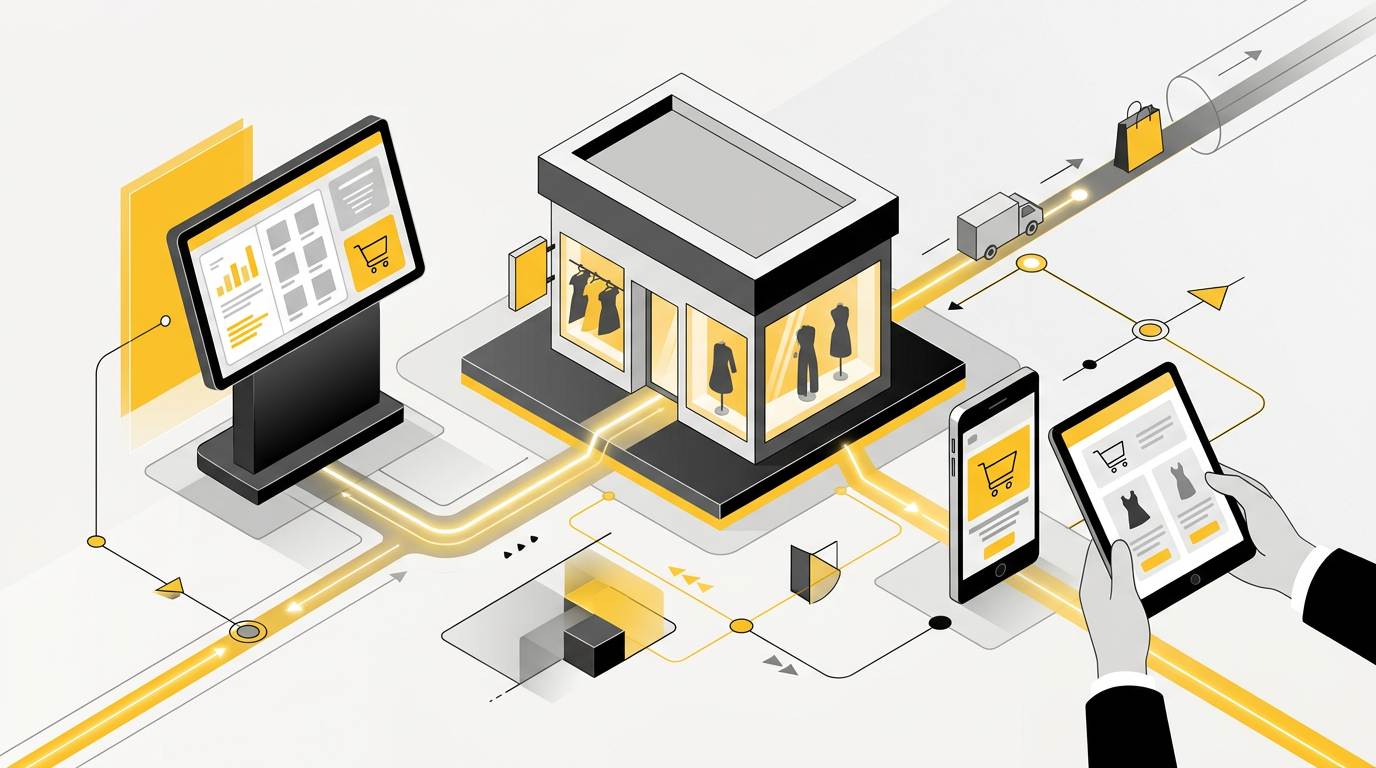
Omnichannel Maturity: Comparative Analysis in Fashion Retail
The concept of omnichannel retail has evolved from a secondary digital strategy to the fundamental operational core of successful fashion enterprises. In the current landscape, the ability to unify physical and digital touchpoints is no longer an advantage; it is a requirement for survival. However, the path to maturity varies significantly depending on the market segment.
Fast Fashion vs. Bridge Luxury: Different Paths to Integration
Fast fashion organizations operate on the principle of high turnover and rapid logistics. For these retailers, omnichannel maturity is defined by speed and stock fluidity. Companies in this segment typically invest heavily in RFID technology to achieve inventory accuracy levels above 98%. Their primary goal is to minimize lost sales by allowing customers to see real-time availability in nearby stores, a feature that increases store traffic by approximately 15% to 20%.
In contrast, bridge luxury brands prioritize the quality of the interaction over the speed of the transaction. Their systems provide store associates with a comprehensive view of the customer previous purchases, preferences, and browsing history across all platforms. While fast fashion optimizes the supply chain, bridge luxury optimizes the relationship.
The Critical Anchor: Universal Inventory Visibility
Regardless of the price point, the single greatest friction point in fashion retail remains the siloed warehouse. True omnichannel maturity requires a single source of truth for stock. Modern retail leaders have moved away from dedicated e-commerce stock and store stock. Instead, they treat every physical location as a micro-fulfillment center.
- Fast Fashion Benchmark: Order fulfillment within 2 hours for in-store pickups, utilizing automated sorting systems.
- Bridge Luxury Benchmark: Curated Reserve in Store features where items are pre-selected and placed in a dedicated dressing room before the client arrives.
- Operational KPI: A reduction in safety stock by 10% through better cross-channel visibility, directly improving working capital.
Digital Transformation and Customer Lifetime Value (CLV)
The ultimate objective of omnichannel integration is the elevation of Customer Lifetime Value. Data from internal retail audits indicates that customers who interact with a brand across multiple channels spend, on average, 30% to 35% more over their lifetime than single-channel shoppers.
In the fast fashion sector, CLV is driven by frequency. By using mobile apps to bridge the gap, retailers keep the customer within their ecosystem. In the bridge luxury segment, CLV is driven by retention and average order value. When an associate can suggest a complementary accessory based on a customer online wish list, the probability of a cross-sell increases by nearly 40%.
Strategic Conclusion
Omnichannel maturity is not a final destination but a continuous calibration of technology and human touch. For fast fashion, the priority must remain the absolute synchronization of inventory to feed the need for immediacy. For bridge luxury, the focus must be the democratization of data for store staff to enhance the service experience. The takeaway for retail executives is clear: stop viewing digital and physical as separate Profit and Loss statements.
Nota: Gráfico conceptual ilustrativo para representar la tendencia estratégica.