Strategic Proximity: Why the Neighborhood Store is Becoming the MVP of Retail Expansion in 2026
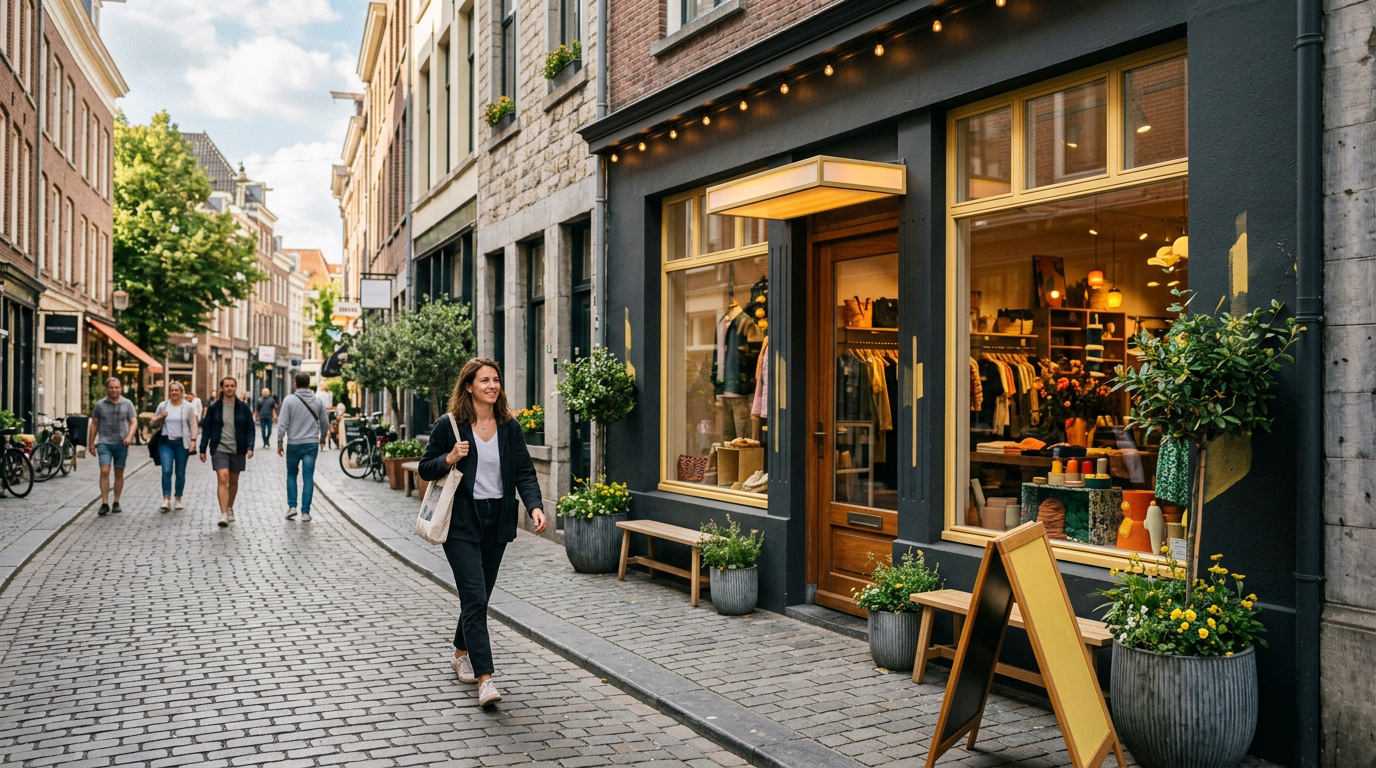
The Neighborhood MVP: Why Hyper-Local is Winning the Expansion Race
For years, the smart money in retail bet on massive regional hubs and suburban power centers. But the tide has turned. As we approach 2026, the neighborhood store—the 80 to 120-square-meter footprint tucked into residential blocks—has emerged as the most strategic asset for any serious expansion plan. It’s no longer just a "convenience" play; it is a high-yield weapon for brand building and logistics.
High interest rates have changed the math for everyone. Borrowing money to build a 2,000-square-meter flagship is a massive risk. Meanwhile, smaller units offer faster payback periods and lower operational overhead. When you look at the cost of customer acquisition online, the physical store in a high-density neighborhood often works out to be a cheaper marketing channel than Google or Meta ads.
The Math of Proximity: Small Footprint, Big Margin
Let's look at the "Napkin Math" for a neighborhood pharmacy or boutique versus a mall location. In a mall, you pay for the common areas, the security, and the centralized marketing. In a neighborhood, you pay for the sidewalk. If your average ticket is $25 and your rent is $2,500, you need 100 sales just to cover the space. In a high-traffic urban pocket, hitting those 100 sales happens before lunch on Tuesday.
Nota: Gráfico conceptual ilustrativo para representar la tendencia estratégica.
The Consumer Resistance to Travel
Post-pandemic habits have solidified. The "15-minute city" isn't just a municipal planning concept; it's a consumer demand. People are showing a high resistance to price when it is paired with proximity. A customer will spend $3 more on a bottle of wine or a specific skincare product if it means they don't have to spend 40 minutes driving to a shopping center.
- Reduced Friction: The neighborhood store captures the "impulse of necessity."
- Last-Mile Hub: These stores serve as perfect click-and-collect points, slashing shipping costs by 30%.
- Trust Premium: Local shopkeepers build data-less loyalty—they know the customer's face, not just their cookies.
Strategic Resilience Against High Interest Rates
Expansion today requires agility. Small stores allow for a "hub and spoke" model. Instead of one giant warehouse, brands are using five small neighborhood locations to hold inventory closer to the customer. This reduces the time a product sits on a shelf and increases stock turnover—the metric that actually keeps a retail business alive when credit is expensive.
Nota: Gráfico conceptual ilustrativo para representar la tendencia estratégica.
Final Actionable Step
Expansion in 2026 isn't about how many square meters you control, but how many minutes you are away from your customer's front door. If your expansion plan doesn't include a micro-format strategy, you are overpaying for reach. At Retail Lemon, we help businesses transition from bloated footprints to lean, high-margin neighborhood networks using our 360º Method. Stop chasing square footage and start chasing proximity.