Sustainability Metrics: Optimizing Last-Mile Logistics in Premium Beauty Retail
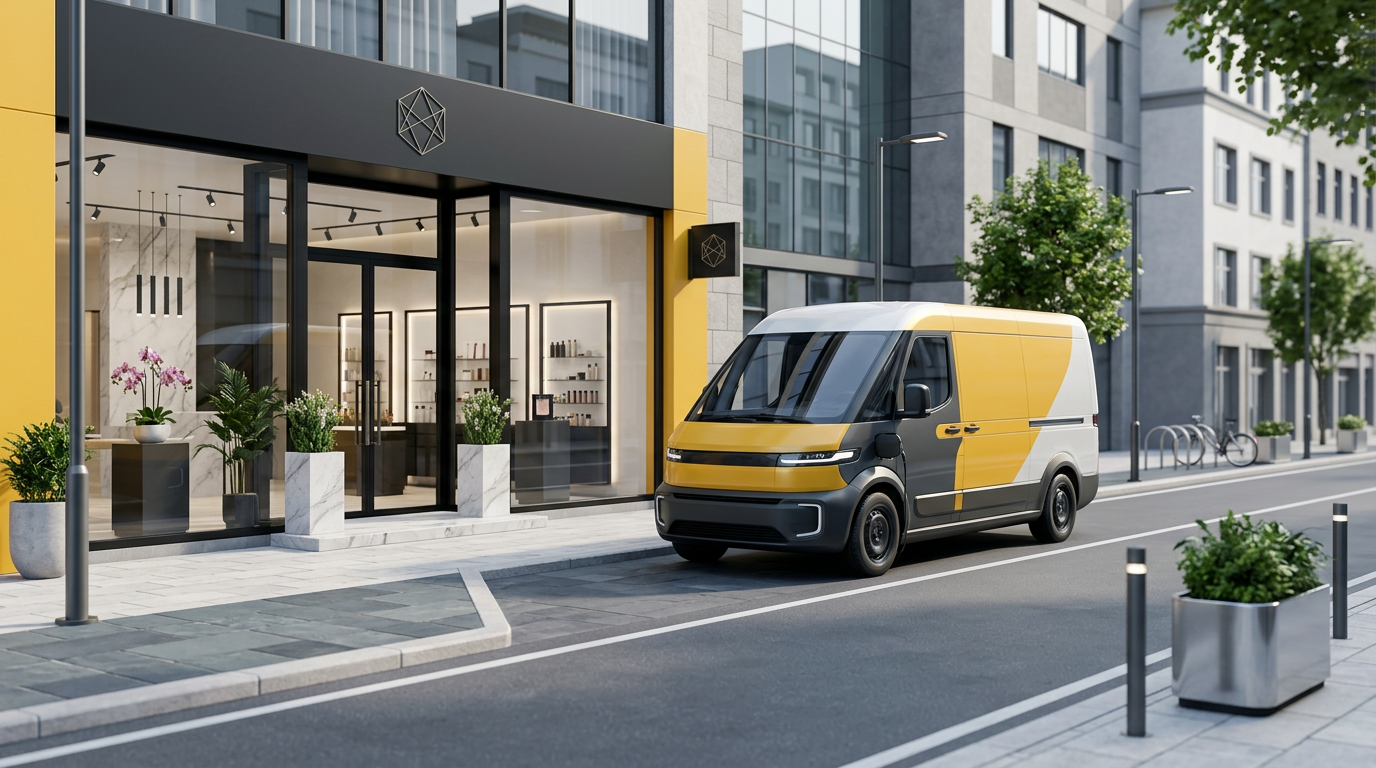
Strategic Sustainability: Elevating Luxury Beauty Logistics
In the premium beauty sector, the final stretch of the supply chain—the last mile—represents both a significant cost center and a critical touchpoint for brand identity. Traditionally, luxury retail prioritized speed and presentation above all else. Today, however, operational efficiency and environmental responsibility have become inseparable. Sophisticated logistics optimization is no longer just a corporate social responsibility initiative; it is a fundamental requirement for maintaining healthy margins and meeting the expectations of a discerning clientele.
The correlation between route optimization and carbon reduction is direct and measurable. By implementing advanced sequencing algorithms, beauty retailers can reduce total distance traveled by up to 15%. This mathematical efficiency does more than lower emissions; it reduces vehicle wear, fuel consumption, and labor costs. For a luxury brand, this efficiency ensures that the "unboxing experience" remains pristine, as reduced time in transit minimizes the risk of package degradation.
Nota: Gráfico conceptual ilustrativo para representar la tendencia estratégica.
The Electrification of the Premium Last Mile
In high-end urban districts, the transition from internal combustion engines to electric vehicles (EVs) offers a dual benefit. Beyond the significant reduction in tailpipe emissions, EVs operate with minimal noise pollution—a subtle but important alignment with the quiet, refined atmosphere of luxury shopping zones. Data shows that while the initial acquisition cost of an electric fleet can be 25% higher, the total cost of ownership over a five-year period is often 15-20% lower due to reduced maintenance requirements and lower energy costs per mile.
When analyzing the cost-benefit ratio of ecological packaging in the beauty industry, retailers must look beyond the unit price of the box. Sustainable packaging often utilizes modular designs that reduce "dead air" during transport. By optimizing the volume-to-weight ratio, companies can increase vehicle capacity utilization by 12%. This means fewer trips are required to move the same volume of product, effectively lowering the carbon footprint per unit sold while maintaining the architectural integrity of the luxury packaging.
Key Performance Indicators for Sustainable Beauty Distribution
To effectively manage a sustainable logistics operation, luxury retail executives must track specific indicators that bridge the gap between financial performance and environmental impact. These metrics provide the transparency needed to justify investments in green technology and process improvements.
- Carbon Intensity per Order: Measuring the grams of CO2 emitted for every successful delivery.
- Empty Mile Ratio: The percentage of total distance traveled without cargo, a critical efficiency baseline.
- Packaging Waste Factor: The ratio of secondary packaging weight to actual product weight.
- First-Time Delivery Rate: Luxury brands should aim for a rate above 98% to avoid the environmental and financial cost of redelivery.
Nota: Gráfico conceptual ilustrativo para representar la tendencia estratégica.
Conclusion
Optimizing the last mile in luxury beauty is a precision exercise. By integrating route intelligence, electric mobility, and volume-efficient packaging, retailers can significantly reduce their environmental impact without sacrificing the white-glove service their customers expect. The path forward is clear: data-driven sustainability is the most effective tool for protecting both the planet and the bottom line. Retailers who master these metrics today will define the standards of excellence for the next decade.