The High Street Pivot: How a Retailer Redefined Its Footprint for 2026 Profitability
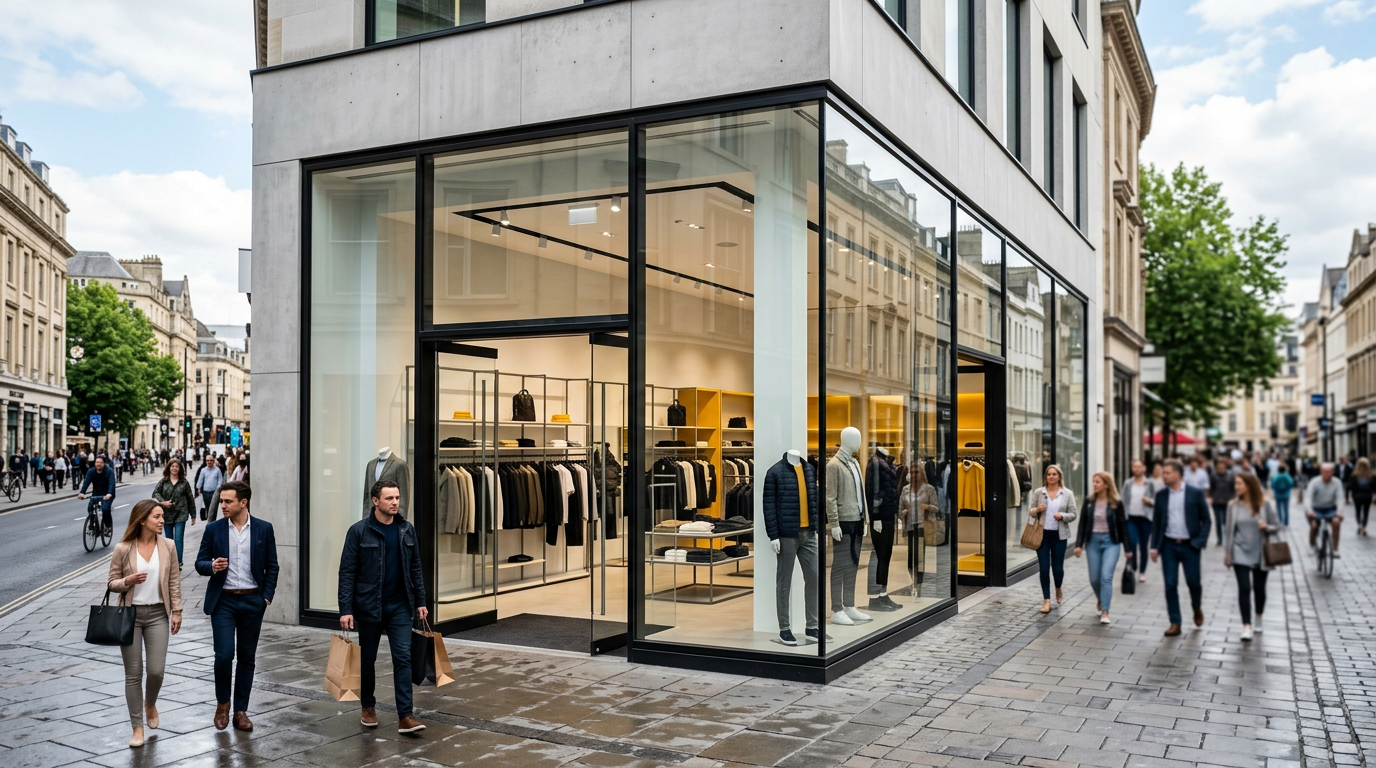
The End of the Shopping Mall Era?
For years, the formula for retail growth was simple: get into a high-traffic shopping mall, pay the hefty service charges, and wait for the crowds. But the math has changed. Footfall in traditional malls is stagnant, while costs for maintenance and common areas are eating up margins. In 2024, profitability isn't about being where everyone is; it's about being where your specific customer lives and works.
Consider a mid-sized fashion retailer we recently advised. They had six stores in Tier-2 shopping centers. Their rent was manageable, but their "hidden costs"—marketing levies, mandatory Sunday openings, and lack of brand identity—were killing their bottom line. We helped them pivot to three high-street flagship locations. The result? Lower total overhead and a 22% increase in average transaction value.
Nota: Gráfico conceptual ilustrativo para representar la tendencia estratégica.
The Real Cost of a Mall Lease
When you sign a lease in a shopping center, you aren't just paying for square footage. You are paying for a management team you don't control. High-street locations offer something a mall never can: autonomy. On the street, you decide when to open, how your storefront looks, and how to manage your logistics without waiting for a loading dock schedule shared with fifty other tenants.
- Direct Customer Relationship: Street-level stores allow for better local SEO and community integration.
- Operational Freedom: No mandatory "midnight sales" or holiday hours that don't fit your staff capacity.
- Logistics Control: Direct-to-consumer fulfillment is easier when you have street-level access for couriers.
Napkin Math: The Rent vs. Profit Reality
Let's look at the numbers for a 150m² store. In a prime mall, you might pay €5,000 in rent plus €2,000 in service charges and marketing fees. Total: €7,000. To maintain a 10% rent-to-sales ratio, you need to bill €70,000 monthly. On a secondary high street, that same 150m² might cost €4,500 total. You only need to bill €45,000 to hit the same ratio. The pressure on your staff and stock levels is significantly lower, allowing for better service and less discounting.
Nota: Gráfico conceptual ilustrativo para representar la tendencia estratégica.
The Logistics Shift
Moving to the street isn't without hurdles. You lose the "security blanket" of mall management. You have to handle your own waste disposal, security, and sidewalk cleaning. However, for retailers looking toward 2026, the ability to use a store as a micro-fulfillment hub for online orders is the real prize. It is much faster for a delivery bike to pick up a package from a street-side door than to navigate a three-story parking garage.
Your Action Plan
If your current lease is eating more than 15% of your gross sales, you are in the danger zone. The Retail Lemon 360º Method focuses on optimizing your physical footprint to serve your digital presence, not compete with it. Stop paying for "mall traffic" that doesn't buy, and start investing in "street presence" that builds loyalty. Your EBITDA will thank you in 2026.